
Fresh allegations have cast a dark shadow over the Kenya Urban Roads Authority (KURA), with whistleblowers and court petitions painting a picture of what insiders describe as a sophisticated network of influence, proxy companies, and contractor intimidation allegedly operating at the heart of Kenya’s urban roads agency.
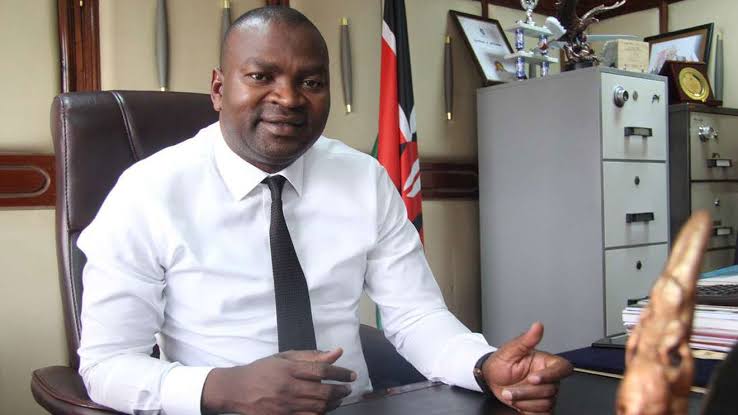
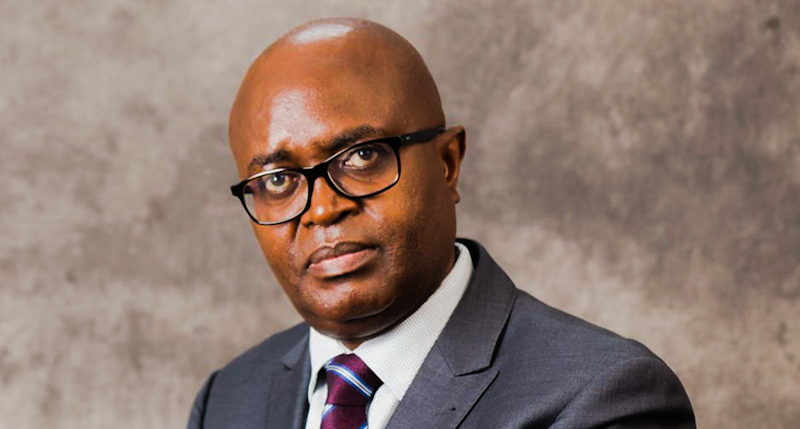
At the center of the storm is KURA Director General Engineer Silas Murira Kinoti, a long-serving public official whose tenure has been dogged by corruption claims, procurement disputes, audit queries, and multiple court cases. Now, a new wave of allegations has revived questions about whether a multi-billion-shilling network has flourished under his watch.
The claims, which have not been proven in court and have been denied by Kinoti in previous public statements, suggest that contractors seeking payment for completed works have allegedly been subjected to a simple but costly choice: pay facilitation fees or face endless bureaucratic delays.
The Alleged ‘Pay or Wait’ System
According to multiple sources within KURA, contractors working on road projects across the country have allegedly been pressured to part with money to ensure the smooth processing of payment certificates and project approvals.
Those who comply reportedly receive timely approvals and payments. Those who resist allegedly encounter delayed certificates, compliance hurdles, and stalled project clearances.
Industry insiders describe the system as an unwritten rule that has become deeply entrenched within the authority’s operations.
One senior engineer familiar with KURA operations alleged that powerful individuals linked to the agency wield significant influence over contractors and procurement processes, creating what critics describe as a parallel power structure operating behind official channels.
The Rise of ‘Chairman’
A key figure repeatedly mentioned by insiders is businessman Henry Muriira Mbaabu, popularly referred to in some circles as “Chairman.”
Mbaabu is the founder of Interlink Petroleum Limited, a company involved in petroleum distribution and bitumen supply. Bitumen is a critical component in road construction, making suppliers strategically important players in infrastructure projects.
While there is nothing unlawful about supplying bitumen to road contractors, insiders claim Mbaabu’s influence extends far beyond commercial transactions.
Sources allege that he enjoys unusual access to KURA offices and project sites and acts as a powerful intermediary between contractors and senior officials.
The allegations suggest that Interlink’s position within the road construction supply chain may have enabled it to become a critical gateway through which contractors navigate approvals, payments, and project administration.
Neither Mbaabu nor Interlink Petroleum has publicly responded to the specific allegations contained in recent whistleblower accounts.
The Sh11.3 Billion Corruption Question
The latest controversy comes against the backdrop of a pending legal battle seeking to compel the Ethics and Anti-Corruption Commission (EACC) to conclude investigations into an alleged Sh11.3 billion corruption scandal linked to Kinoti.
Court filings indicate that EACC obtained search warrants related to the matter in June 2025. However, critics argue that little visible progress has been made since then, raising questions about the pace of investigations into one of the most significant corruption claims facing a senior public official.
The petition argues that prolonged delays risk undermining accountability and could allow critical evidence and public interest concerns to fade before a conclusion is reached.
The Alleged Proxy Company Network
Perhaps the most explosive claims revolve around allegations that KURA contracts are being funneled through a network of proxy companies whose beneficial ownership remains hidden.
Multiple insiders claim that firms registered under relatives, associates, and politically connected individuals have been used to secure public works while masking the identities of the true beneficiaries.
The allegations suggest that medium and small-scale projects have been dominated by companies linked to powerful insiders through complex ownership structures.
If proven, such arrangements could raise serious questions about conflict of interest, abuse of office, and compliance with Chapter Six of the Constitution on leadership and integrity.
However, no court has yet established the existence of such a network, and the claims remain allegations.
A Decade of Controversy
Kinoti’s tenure at KURA has coincided with numerous high-profile controversies.
The authority has faced questions over billions of shillings flagged in audit reports, procurement disputes involving major road projects, allegations of overpayments to contractors, and legal challenges surrounding the awarding of infrastructure tenders.
One of the most notable cases involved scrutiny over contracts linked to Chinese contractor Stecol Corporation, which secured projects worth billions of shillings during Kinoti’s tenure.
Other controversies have centered on Bus Rapid Transit projects, Nairobi road upgrades, and procurement challenges that have repeatedly landed before courts and parliamentary committees.
Despite the controversies, Kinoti has remained in office, surviving successive investigations, petitions, and public criticism.
The Tenure Battle
Adding further pressure is an ongoing court case challenging Kinoti’s continued stay in office.
Petitioners argue that his tenure as Director General expired in June 2026 following the completion of a three-year contract and one renewal term.
The case seeks judicial clarification on whether his continued occupancy of the office is lawful.
KURA and Kinoti have contested the claims, and the matter remains before the courts.
The Bigger Question
Beyond the legal battles and corruption allegations lies a broader concern about the management of billions of shillings allocated to Kenya’s road infrastructure.
Critics argue that if even a fraction of the allegations are ultimately proven, taxpayers may have been paying not only for roads but also for a system allegedly designed to extract money from contractors through hidden networks and informal influence.
Supporters of stronger accountability measures say the growing number of petitions, audit concerns, and whistleblower testimonies underscores the need for independent investigations and transparent conclusions.
For now, the allegations remain unproven, the investigations continue, and the courts are yet to deliver final determinations.
But as pressure mounts on KURA’s leadership, the question increasingly being asked is whether Kenya’s anti-corruption and oversight institutions will finally unravel what insiders have dubbed the “KURA Mafia” — or whether the allegations will join a long list of scandals that generated headlines but never consequences.